Get Hardwood Floor Repair
Hardwood floor repair services help property owners fix scratches, dents, cracks, and water damage, often involving sanding, refinishing, or replacing damaged planks with skilled local contractors.
If your hardwood floors are showing signs of wear, damage, or age, exploring repair options can help restore their beauty and functionality. Property owners in the area often consider hardwood floor repair to enhance the appearance of their spaces, improve safety, or prepare a property for sale or rental. Whether dealing with scratches, dents, or uneven surfaces, understanding the available solutions and connecting with experienced local contractors can make planning your project smoother and more informed.
Finding the right service providers for hardwood floor repair involves comparing local contractors who specialize in restoring and repairing wood flooring. These professionals can assess the condition of your floors and recommend practical solutions tailored to your needs. Keep reading to discover how to connect with qualified local service providers who can help bring your hardwood floors back to life.
- Deep Scratches and Dents - homeowners may need repair services to restore the appearance of their hardwood floors after furniture or heavy objects cause damage.
- Water Damage Restoration - property owners might require professional repair if spills, leaks, or flooding have warped or stained their hardwood surfaces.
- Refinishing and Resurfacing - those looking to refresh worn or dull floors often seek local contractors for sanding and refinishing work.
- Crack and Gap Repair - repairs are needed when gaps or cracks develop between floorboards, affecting both appearance and stability.
- Stain and Color Correction - clients may want to change or restore the original color of their hardwood floors due to discoloration or uneven fading.
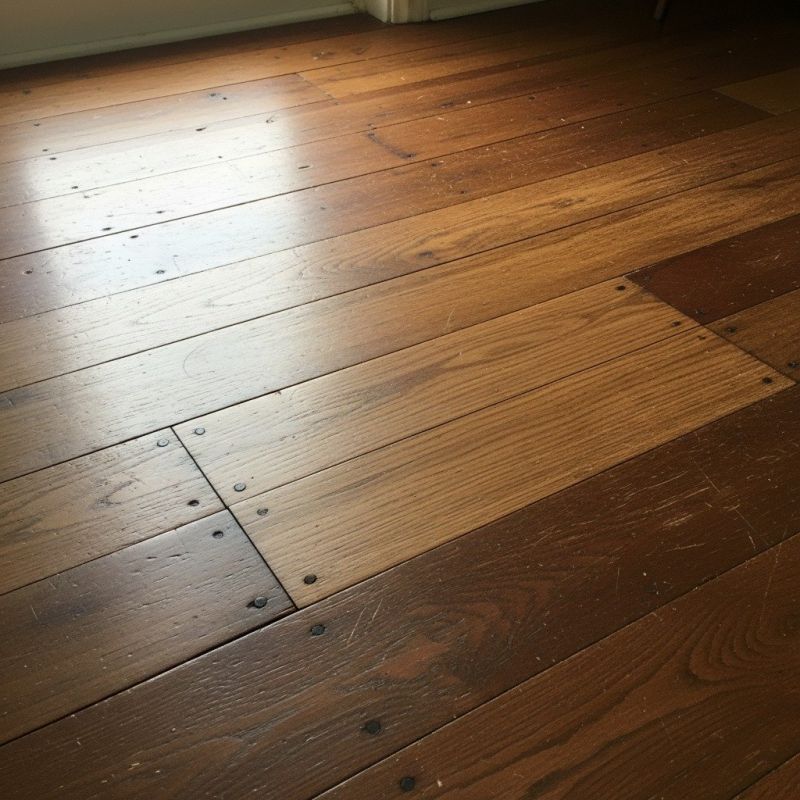
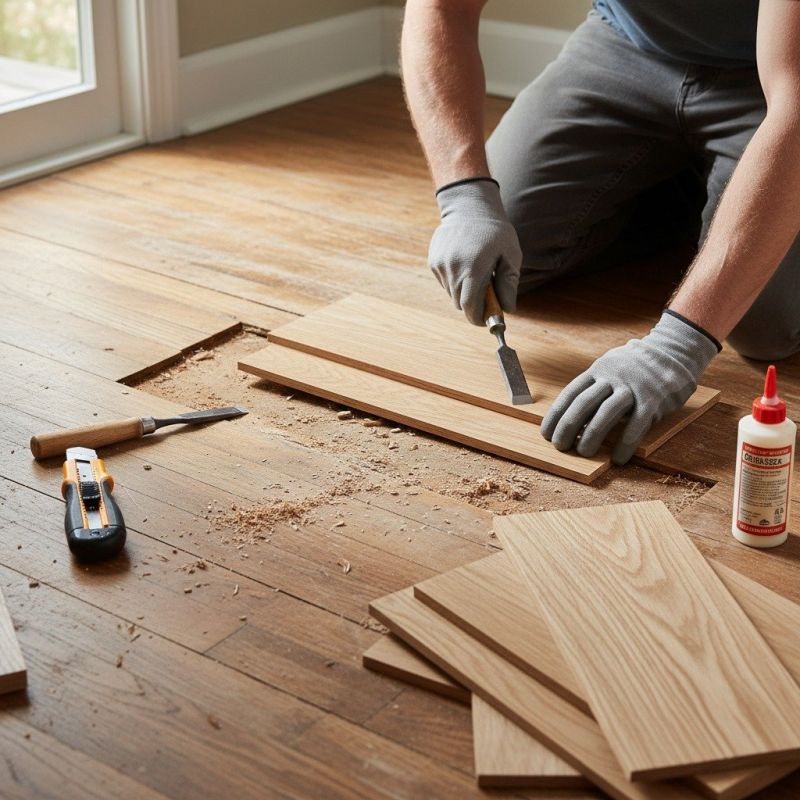
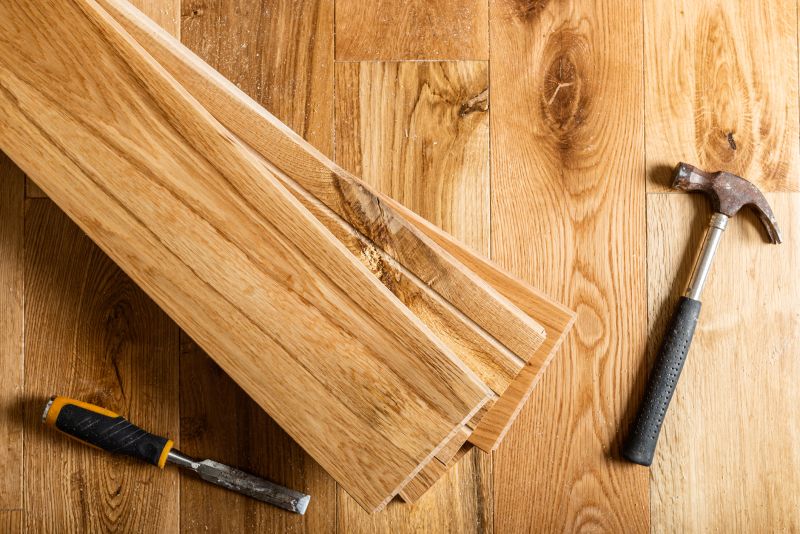
Hardwood floor repair services involve fixing damaged or worn areas of existing hardwood flooring to restore its appearance and functionality. This process can include filling in scratches, gouges, or holes, sanding down uneven surfaces, and replacing damaged planks. Skilled service providers use specialized techniques to ensure that repairs blend seamlessly with the surrounding flooring, helping to maintain the overall look of the space. Whether the damage is caused by everyday wear and tear or accidental impacts, professional repair can extend the life of hardwood floors and keep them looking their best.
Many common problems can be addressed through hardwood floor repair. Over time, floors may develop scratches, dents, or discoloration from furniture, foot traffic, or spills. Boards can become loose, warped, or creased due to moisture or temperature changes. In some cases, water damage can cause swelling or staining, while pet nails or heavy furniture may leave visible marks. Repair services can effectively address these issues, eliminating unsightly blemishes and stabilizing the floor to prevent further damage. This helps homeowners avoid the expense of complete replacement and preserves the value of their property.
Hardwood floor repair is suitable for a variety of property types, including single-family homes, multi-unit residential buildings, and commercial spaces. Homeowners often seek repairs to improve the appearance of their living areas or to prepare a home for sale. Businesses may need to maintain a professional look in retail or office environments by fixing damaged flooring. Properties with high foot traffic or those exposed to moisture are more prone to damage, making regular repairs an important part of floor maintenance. Service providers can tailor their work to meet the specific needs of each property type, ensuring durable and attractive results.
Contacting local contractors for hardwood floor repair offers a practical solution for those noticing issues with their flooring. If floors are scratched, stained, loose, or warped, professional repair can help restore their original beauty and functionality. These services are ideal for homeowners and property managers who want to maintain a safe, attractive environment without the expense of full replacement. By connecting with experienced local pros, property owners can get expert assistance to resolve common hardwood floor problems efficiently. This ensures the longevity and visual appeal of hardwood flooring in a range of residential and commercial settings.
The overview below groups typical Hardwood Floor Repair projects into broad ranges so you can see how smaller, mid-sized, and larger jobs often compare in your area.
In many markets, a large share of routine jobs stays in the lower and middle ranges, while only a smaller percentage of projects moves into the highest bands when the work is more complex or site conditions are harder than average.
Smaller Repairs - minor fixes like filling small cracks or scratches typically cost between $150 and $400. Most routine repairs fall within this range, depending on the extent of damage and the size of the area.
Medium-Scale Repairs - more extensive work such as replacing several damaged planks or refinishing a section of flooring usually ranges from $600 to $1,500. These projects are common for homeowners addressing multiple issues at once.
Large Repairs - significant repairs involving extensive patching or partial replacement can cost between $2,000 and $4,000. Fewer projects reach this level, often reserved for extensive damage or high-traffic areas needing substantial work.
Full Floor Replacement - complete replacement of hardwood flooring generally starts around $5,000 and can exceed $10,000 for high-end materials and large areas. Many service providers handle projects in this range, with larger, more complex jobs reaching higher costs.
Actual totals will depend on details like access to the work area, the scope of the project, and the materials selected, so use these as general starting points rather than exact figures.
Floor Refinishing - Professionals who specialize in restoring the appearance of hardwood floors often use similar sanding, staining, and finishing techniques as those used in repair projects.
Subfloor Repair - Repairing or replacing damaged subfloors requires skills in assessing structural integrity and working with precise tools, which are also essential for hardwood floor repairs.
Wood Floor Installation - Installing new hardwood flooring involves planning, precise measurements, and knowledge of flooring materials, complementing the skills needed for repair work.
Floor Sanding and Buffing - This process involves smoothing and preparing hardwood surfaces, which is closely related to the surface preparation aspects of repair services.
Custom Inlay and Pattern Work - Creating intricate inlays or decorative patterns on hardwood floors requires detailed planning and craftsmanship similar to repair and restoration projects.
Water Damage Restoration - Addressing water-related damage to hardwood floors involves assessing damage, removing affected materials, and restoring the surface, paralleling repair techniques used in floor restoration.
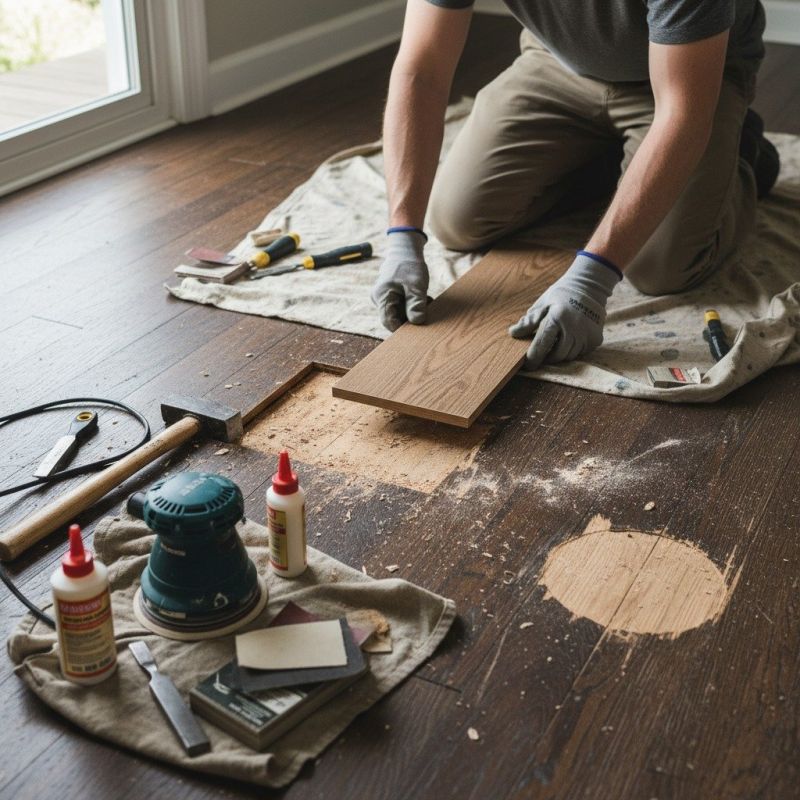
When evaluating hardwood floor repair services, it’s important to consider the experience of local contractors with similar projects. Homeowners should inquire about how many repairs or restorations the service providers have completed that resemble their specific needs. An experienced professional is more likely to understand the nuances of different wood types, damage levels, and repair techniques, helping to ensure the work is performed effectively and with quality results. Gathering information about past projects can provide insight into a contractor’s familiarity with repair challenges and their ability to deliver satisfactory outcomes.
Clear, written expectations are also a key aspect of choosing a reliable service provider. Homeowners should seek detailed descriptions of the scope of work, materials to be used, and the steps involved in the repair process. Having this information in writing helps prevent misunderstandings and sets a transparent foundation for the project. Reputable local contractors will typically be willing to provide comprehensive estimates or proposals that outline what will be done, allowing homeowners to make informed comparisons between different service providers.
Good communication and reputable references are essential when selecting a hardwood floor repair specialist. Service providers who maintain open lines of communication can answer questions, address concerns, and keep homeowners informed throughout the project. Additionally, asking for references or reviews from previous clients can help verify a contractor’s reliability and the quality of their work. While the site introduces homeowners to local options, it’s important to remember that the actual work is performed by these local contractors. Comparing these aspects can help ensure that the chosen professional is well-equipped to handle the repair and meet expectations.
Property owners use Hardwood Floor Repair services for practical projects around their homes and businesses. This guide focuses on everyday jobs and straightforward project options.
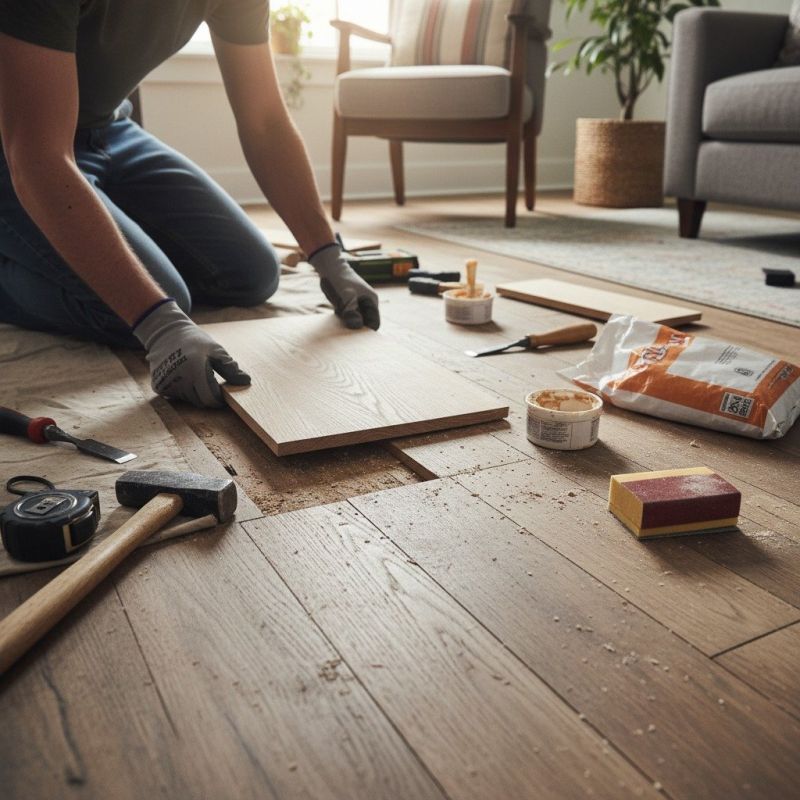
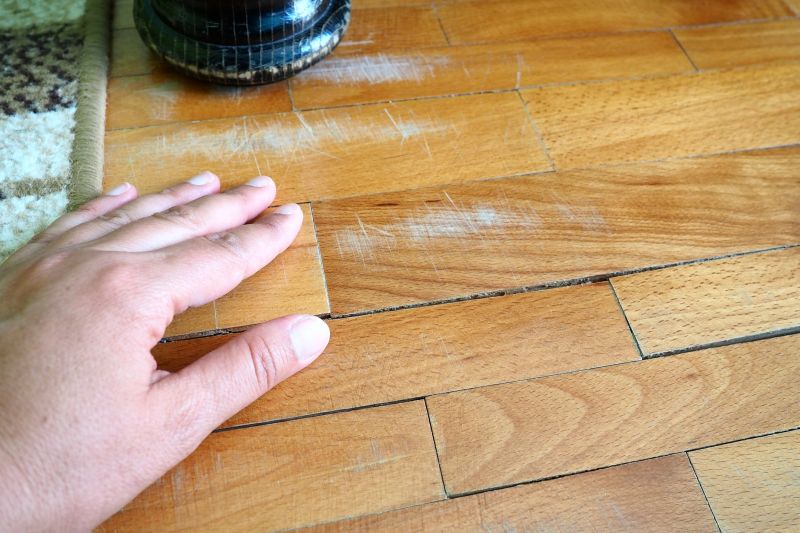
Hardwood floor repair services are often needed when property owners notice scratches, dents, or areas where the finish has worn down over time. Common situations include accidental impacts, heavy foot traffic, or furniture movement that causes damage to the flooring surface. Additionally, homeowners may seek repairs after water spills or minor accidents that lead to warping or staining, helping restore the floor’s appearance and functionality.
Property owners in the area might also look for hardwood floor repair when preparing a home for sale or renovation, aiming to improve the overall look of the space. Other reasons include addressing uneven surfaces, replacing damaged planks, or fixing gaps and creaks that develop naturally with age. Local contractors can provide the necessary services to help maintain or revive hardwood floors, ensuring they look their best and last for years to come.
What types of hardwood floor repairs do local contractors handle? Local contractors can perform a variety of repairs including scratch and dent fixes, board replacement, refinishing, and addressing water damage or warping issues.
Can hardwood floors be repaired without sanding the entire surface? Yes, many repairs such as spot refinishing or patching damaged areas can be done without full sanding, depending on the extent of the damage.
How do local service providers restore the appearance of scratched hardwood floors? They often use sanding, buffing, and refinishing techniques to remove scratches and restore the floor’s smooth, uniform look.
Are hardwood floor repairs suitable for all types of wood and finishes? Most local contractors are experienced with different wood species and finishes, and can recommend appropriate repair methods for each type.
What should be considered when choosing a local contractor for hardwood floor repair? It's important to review their experience, reputation, and the range of services offered to ensure they can handle the specific repair needs.
Floor Restoration for High-Traffic Areas - Property owners can restore damaged or worn sections of hardwood floors in busy hallways or living rooms to maintain a polished appearance.
Spot Repairs for Water or Pet Damage - Local contractors can handle specific areas affected by spills, pet scratches, or minor water damage to prevent further deterioration.
Refinishing for Renovation Projects - Homeowners planning updates can hire professionals to refinish existing hardwood floors, matching new finishes with older sections.
Surface Smoothing for Uneven Floors - Property owners can improve the look and safety of uneven or squeaky floors by having local pros sand and level the surface.
If you are thinking about Hardwood Floor Repair for a property, this guide is meant to help you understand the work, the typical project types, and how different options might fit your plans.
When you are ready, you can use the quote form on this page to share a few details about your project. From there, local pros can review the basics and respond with options that match what you have in mind.